
The Brisbane men’s premier rugby competition, The Hospital Cup, and the Women’s StoreLocal competition is arguably the strongest combined rugby competition in Australia.
Rugby Pathways has put together an overview of the pathway for junior players aspiring to play Premier Rugby from around the State.
Pathway Mapping by Rugby Pathways
If you’re keen on pursuing playing Premier Rugby, let us help you with our Pathway Mapping service which can take you from wherever you are today, to lacing up your boots in a 1st grade locker room in just a few short years with our Player Mentoring program.
Competition Overview
Men’s: The StoreLocal Hospital Cup
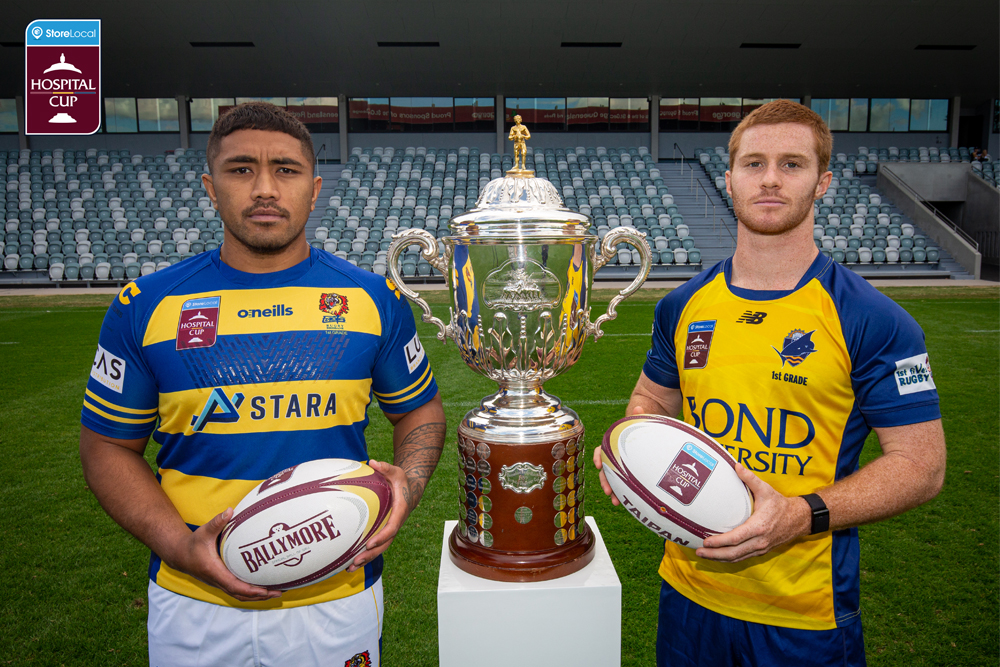
The StoreLocal Hospital Cup is the premier men’s club rugby competition in Queensland, operating under the umbrella of Queensland Rugby Union (QRU) and drawing on the historical Brisbane club competition.
History & significance
- The trophy dates back to a “Hospital Challenge” fund‑raiser in 1899 in Brisbane; the “Hospital Cup” became the first‑grade premiership trophy for Brisbane (and thus Queensland club rugby) from 1928/29 onward.
- The modern competition (often referred to as Queensland Premier Rugby) features nine clubs (eight from the Brisbane region, one from the Gold Coast) in its top tier.
- Winners of the first grade are awarded the Hospital Cup; the competition is seen as a stepping stone for players into the professional ranks (e.g., Super Rugby, national selection) albeit non‑professional in nature.
- The competition is sometimes referenced with the naming rights of StoreLocal (i.e., StoreLocal Hospital Cup) in recent seasons.
Format & timing
- The regular season typically runs across the winter months; the 2024 draw was announced for start from April, with 18 regular season rounds.
- The finals (semi‑finals, preliminary finals and grand final) are often held at major venue(s) such as Ballymore Stadium.
Notable clubs & records
- According to a summary of the most successful clubs: University of Queensland Rugby Football Club (UQ) have won the Hospital Cup 24 times, making them the most successful.
- Brothers Rugby Club are a traditional powerhouse and have accumulated 23 premierships.
- The competition plays a strong role in the rugby pathway in Queensland — local schools → club → representative → professional.
Key themes
- Club identity & community: Many clubs are suburban or district‑based, closely tied to local junior systems, schools, and feeder pathways.
- Balance of tradition and development: While rooted in history, the competition is increasingly aligned with modern performance pathways (e.g., attracting scholarship players, linking with the professional game).
- Growth & extension: There are discussions of expanding the women’s competition and strengthening the club tier across Queensland.
Women’s: StoreLocal Premier Women’s Competition

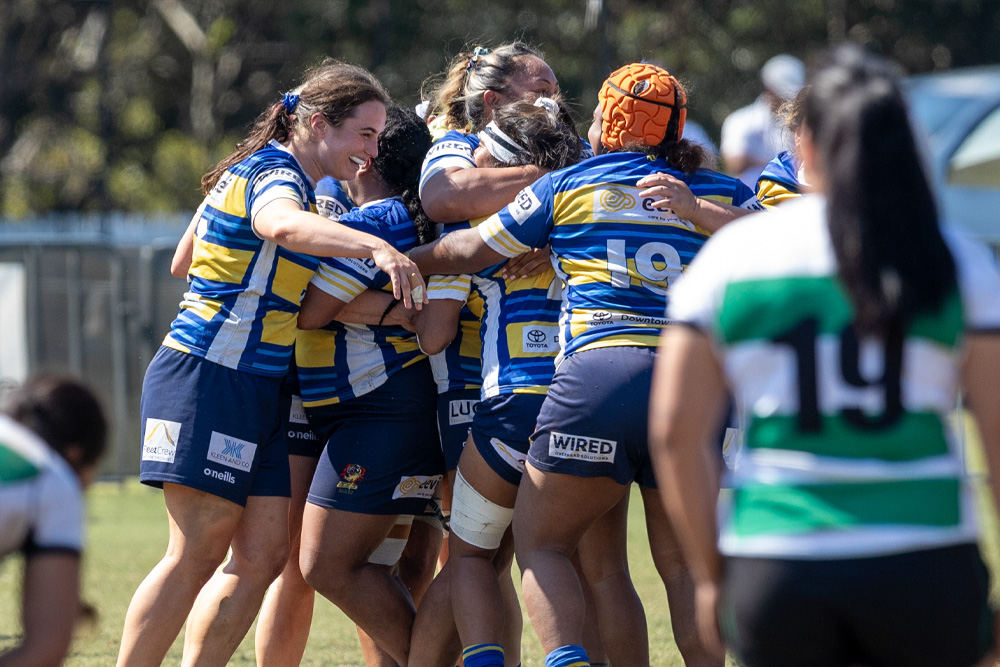
The StoreLocal Premier Women’s Competition is the top‑tier women’s XVs club rugby competition in Queensland, again operated by the QRU and running alongside the men’s club structure.
History & evolution
- The women’s competition is relatively newer in formal structure compared to the men’s, and continues to evolve, in 2025, it expanded to include the “Challenge Cup” (14 women’s teams) was introduced in March–May as a lead‑in to the nine‑round Premier Women’s competition from June.
- The main women’s trophy is called the Founders Cup (in recent seasons) — e.g., the formation of the “Founders Cup” to honour those who worked to establish women’s competition in Brisbane in 1994.
- The women’s competition uses the same club base as the men’s (i.e., the nine Premier Rugby clubs) plus some inclusion of other clubs/sub‑districts in lower divisions, in 2025 these teams played in the lead-in tournament, The Challenge Cup.
Format & timing
- As noted, an earlier “Challenge Cup” phase had 14 teams to broaden inclusion, followed by a structured Premier Women’s competition (nine‑round or similar) for the top tier.
- Finals are aligned with the men’s grand‑final weekend
- The StoreLocal Premier Women’s Competition has seen some massive improvements in quality of games and skills on display in recent years, a wonderful testament to the dedication of those behind the scenes to continue to develop the women.s side of the game
Notable themes & growth
- The women’s game in Queensland club rugby is growing in participation, visibility and performance pathways, with clubs emphasising their women’s programs.
- Club‑based women’s rugby now forms an important feeder into Super W and national teams.
- There is a clear push toward aligning the women’s club competition more closely with the men’s in terms of scheduling, media coverage and finals day integration.
Club Overviews
University of Queensland Rugby Football Club (UQ)

History & identity: UQ has the most Hospital Cup premierships of any club (24) and has been a powerhouse historically.
Key aspects: As a university‑based club, UQ draws from student athletes and has a strong tradition of academic + sport balance.
Recent: While dominant historically, competition is strong; UQ continues to field men’s and women’s teams in Premier Rugby.
What stands out: Their longevity, strong club infrastructure and pipeline into higher levels.
Brothers Rugby Club


History & identity: One of the most successful clubs in QPR history – 23 premierships per recent count.
Key aspects: Based at Albion (Crosby Park), longstanding club with strong junior systems, and a clear tradition of producing representative players.
Recent: Continues to feature among the top contenders in first grade and in other grades.
What stands out: Deep heritage, high performance culture and strong brand.
Easts Rugby Union Club (Tigers)
History & identity: Founded in 1947 (as an Old Boys side) and ultimately became Eastern Districts, later Easts Tigers.
Key aspects: Based at Bottomley Park, Coorparoo; strong presence in both men’s and women’s programs.
Recent: They have had premiership success: e.g., men’s premierships 1997, 1999, 2008, 2013, 2020.
What stands out: A club balancing strong tradition with modern ambition; strong junior pipeline.
Bond University Rugby Club
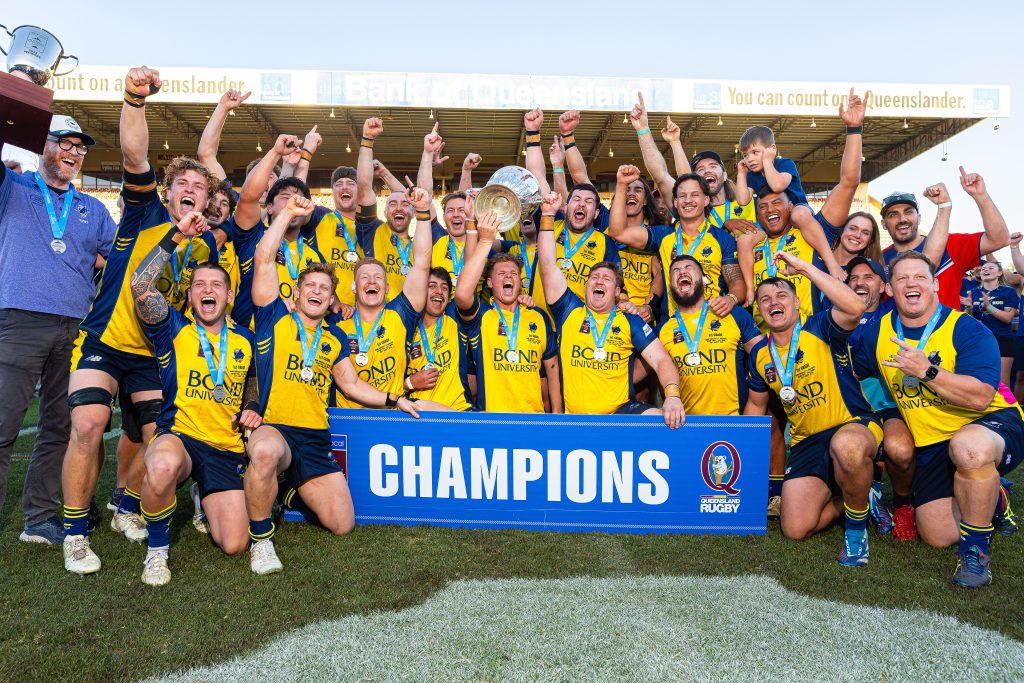
History & identity: Based on the Gold Coast at Bond University (Varsity Lakes), this club entered the Premier competition in 2014 (after the partnership/merger with Gold Coast Breakers).
Key aspects: Unique in being the only Gold Coast‑based club in the Premier competition; strong university link with scholarship programs and elite pathway focus.
Recent: Achieved their first men’s Hospital Cup premiership in 2025 (after joining in 2014). The women’s program is elevated, with multiple premierships and national club recognition.
What stands out: A modern, high‑performance club with strong facilities and growth trajectory; bridging Gold Coast and Brisbane club rugby.
GPS Rugby Union Club

History & identity: Often called GPS or “Old Boys” of the GPS schools, they maintain a strong school‑to‑club connection.
Key aspects: Located in Brisbane, notable for discipline, structure and producing representative players.
Recent: Continues to compete strongly in first grade and other grades; men’s and women’s sides active in Premier competitions.
What stands out: The strong link to school rugby, a clear culture of development and stepping‑stone to higher levels.
Norths Brisbane Rugby Club
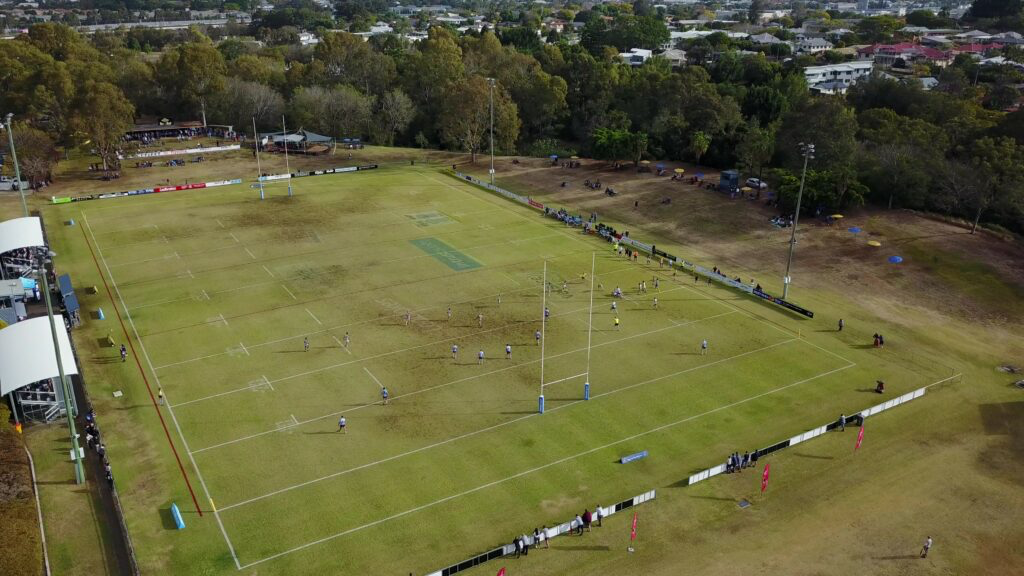
History & identity: Based in Brisbane’s north, Norths have a passionate local base and a focus on developing community rugby along with performance.
Key aspects: While perhaps not as historically dominant as some others, Norths are very competitive, particularly in recent seasons.
Recent: Appearing in high‑profile matches; results show some big wins and heavy scoring in first grade rounds (the 2025 season results in particular).
What stands out: A club with strong local identity, offering a pathway into Premier rugby for Brisbane’s northern suburbs.
Souths Rugby Club (Magpies)
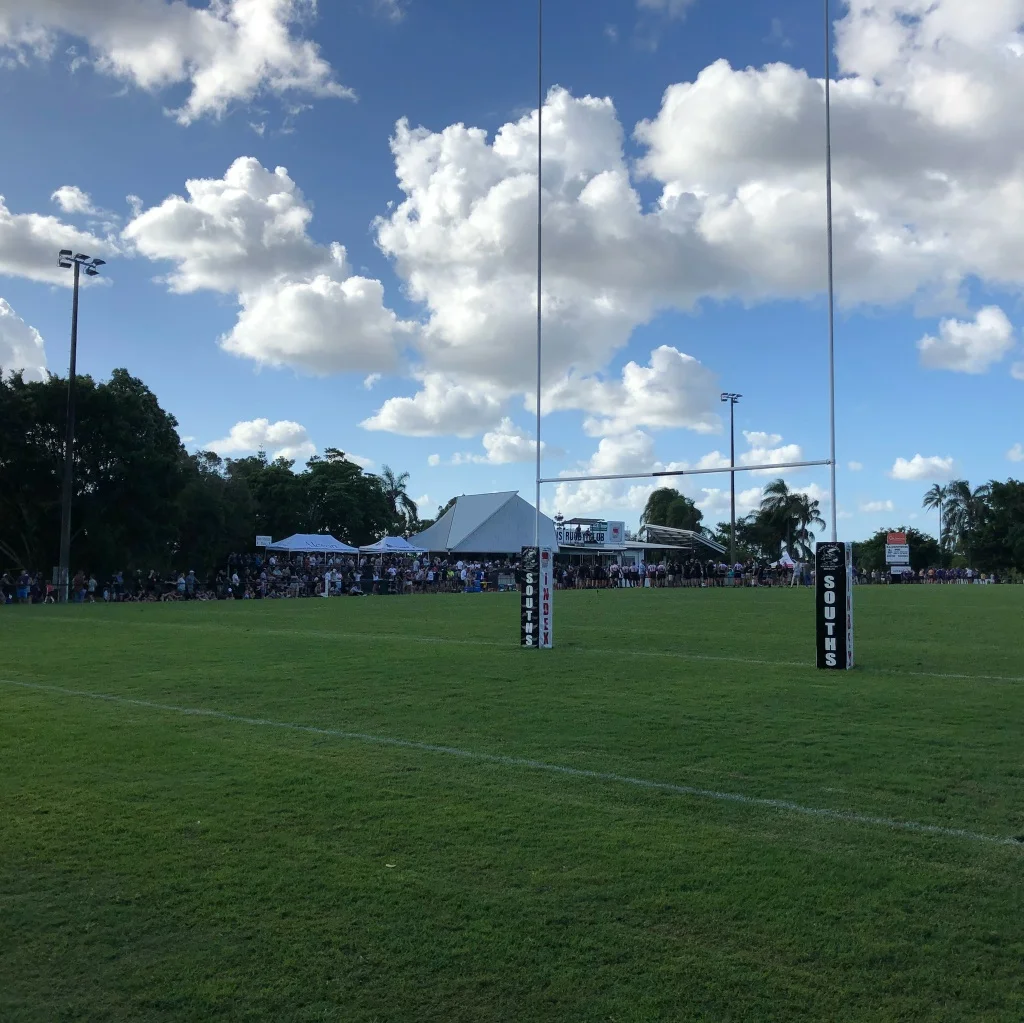
History & identity: Based in Brisbane’s south/south‑western suburbs, often known by the nickname “Magpies.”
Key aspects: Strong community engagement, wide junior base, and a proud tradition.
Recent: Competing in first grade and across the grades; showing occasional strong performances though facing stiff competition.
What stands out: Their grassroots strength, solid club culture and capacity to punch above their weight in some seasons.
Sunnybank Rugby Club (Dragons)
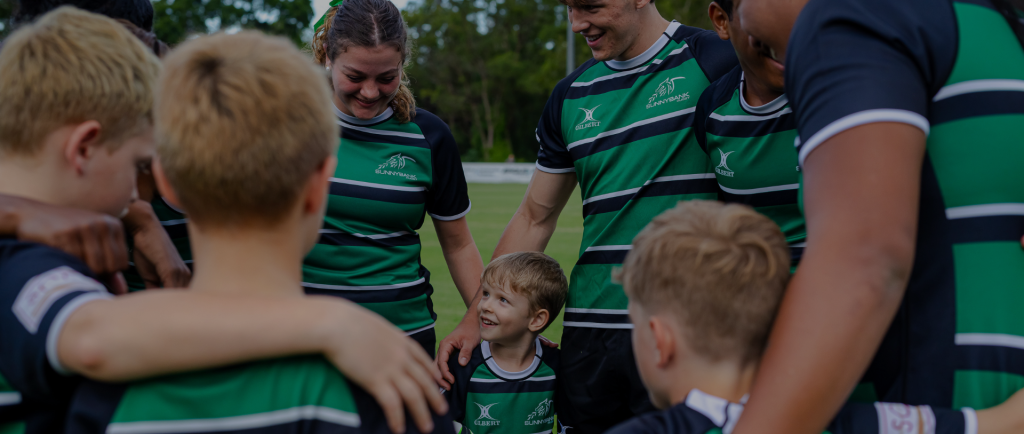
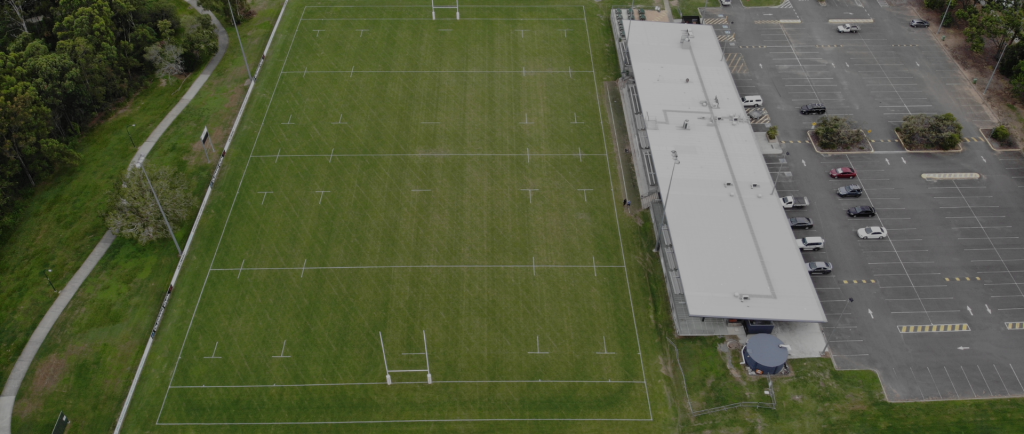
History & identity: Located in Brisbane’s southern suburbs, Sunnybank have established themselves significantly in Premier rugby during the 2000s and 2010s. As one of the most culturally diverse clubs in the QLD Premier Rugby competition, the Sunnybank Cultural Days held during the seasons are something not to be missed
Key aspects: Known for dynamic play, strong junior systems, and ability to attract and develop talent.
Recent: Strong scoring and performances in recent first grade rounds.
What stands out: Their growth trajectory, strong club facilities and recruitment of school‑aged talent.
Wests Rugby Union Club (Bulldogs)

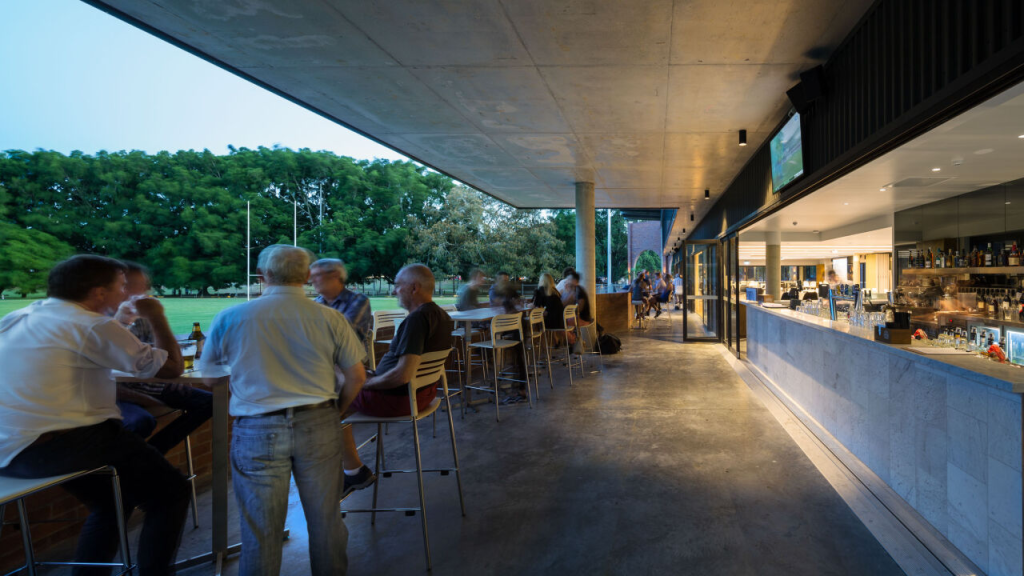
History & identity: Known as the Wests Bulldogs, they have a proud history within Brisbane/Queensland club rugby.
Key aspects: Based in Brisbane’s western suburbs, competitive across grades and committed to community rugby.
Recent: Appearing in finals – e.g., semi‑final weekends, and their women’s side aiming at the Founders Cup.
What stands out: Resilience, competitiveness across grades, and club culture oriented toward improvement.
Comparative Insights: Men vs Women, Major Trends
Here are some of the key comparative observations and trends across the men’s and women’s competitions:
- Shared club base: The same nine clubs largely field teams in both the men’s Hospital Cup and the women’s Premier Women’s competition. That means club identity is unified across genders, which strengthens culture, resources and pathway continuity.
- Visibility & growth: The women’s competition is in a growth phase — new formats (Challenge Cup → Premier Women’s), stronger alignment with men’s finals weekends and greater emphasis in club strategy.
- Performance gap / maturity: Some of the women’s matches have shown heavy scorelines, likely reflecting differing levels of maturity across all clubs. (E.g., 2024 results show some large margins).
- Pathway significance: Both competitions serve as pathways to higher representation — Reds, Super W, Wallabies / Wallaroos. The clubs with strong programs (men’s & women’s) are increasingly becoming talent hubs.
- Finals integration: The grand final weekend features both men’s and women’s marquee matches (Hospital Cup & Founders/Founders Cup) at major venue(s) such as Ballymore. This underscores the elevated status of the club game.
- Branding & sponsorship: The naming rights (StoreLocal) and renewed media/fan‑engagement efforts reflect a move toward greater professionalism and exposure of club rugby in Queensland.
- Community & development: Each club emphasises junior rugby, local engagement, and building sustainable programs (not just first grade). The women’s expansion further reinforces the inclusive growth of club rugby.
Challenges & Opportunities
- Balancing tradition with performance: Clubs with long histories have strong identities, but must continue to evolve (facilities, coaching, recruitment) to keep up.
- Women’s competition growth: Ensuring all clubs have the resources, depth and support to compete in women’s club rugby will be key. The existing format changes (Challenge Cup → Premier Women’s) indicate a positive direction.
- Pathway alignment: Enhancing seamless pathways (junior → club → professional/representative) for both men and women remains a priority. Clubs like Bond University illustrate how dedicated scholarship and training systems can accelerate this.
- Media & exposure: Increasing the visibility of club rugby (especially women’s) through broadcast, streaming, and engagement will help grow the fanbase and financial sustainability.
- Expansion & inclusion: There is potential for further expansion of the competition (either clubs from outside Brisbane, or additional women’s clubs) to deepen the state‑wide base of premier club rugby.
- Financial and human resources: For many clubs, maintaining high performance across multiple grades (men’s first, women’s first, Colts/under20s, reserves) is resource‑intensive. Ensuring sustainability is crucial.