The importance of Mentorship for Young Aspiring Athletes

In the competitive world of sports, talent and hard work are essential ingredients for success, but they are rarely enough on their own. Behind nearly every great athlete is a mentor—someone who has guided, encouraged, and shaped them both on and off the field. For young aspiring athletes, having a mentor can be the difference between reaching their full potential and falling short of their goals. Mentorship provides guidance, emotional support, skill development, and valuable life lessons that extend far beyond the game.
Guidance Through Experience
One of the most valuable aspects of a mentor is the wealth of experience they bring. Whether they are former athletes, coaches, or seasoned professionals, mentors have navigated the challenges that young athletes are just beginning to face. From managing training schedules and injuries to dealing with pressure and making career choices, mentors can offer insights that help avoid common pitfalls.
For example, a young soccer player might struggle with balancing school, training, and social life. A mentor who has gone through a similar journey can offer practical advice on time management and prioritisation. This kind of guidance helps young athletes make informed decisions and stay focused on their long-term goals.
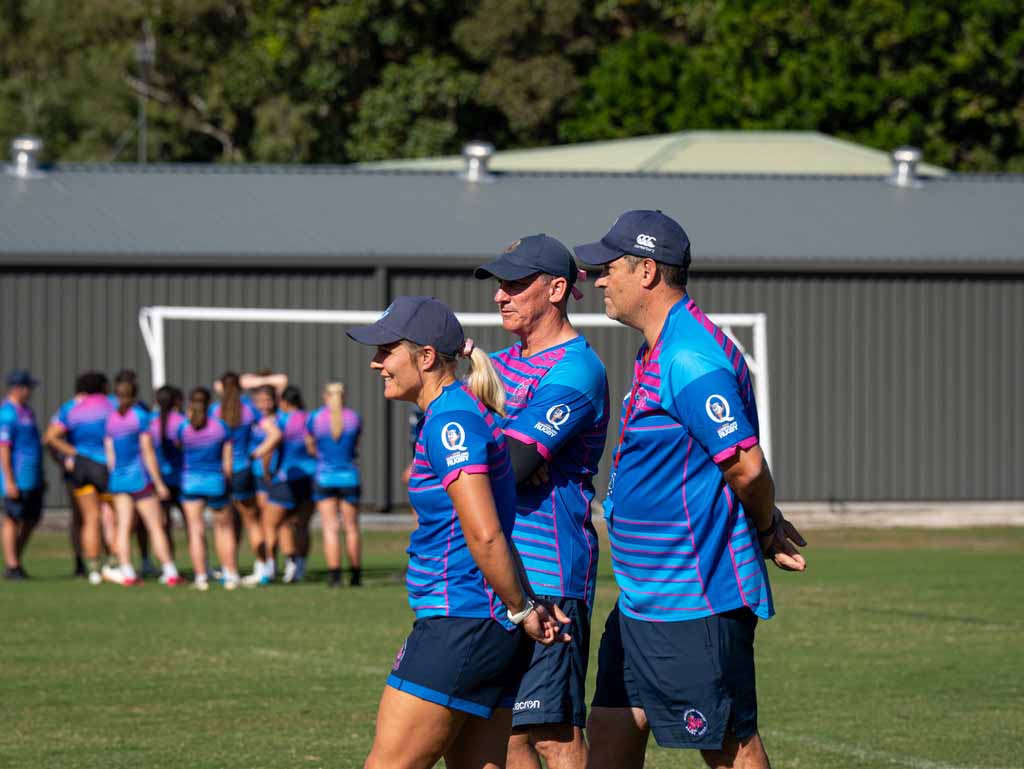
Building Confidence and Mental Toughness
Sports are as much a mental challenge as they are physical. Young athletes often face self-doubt, fear of failure, and intense pressure to perform. A mentor acts as a steady voice of support, helping to build resilience and confidence. Through consistent encouragement and honest feedback, mentors help athletes develop a growth mindset—the belief that abilities can be developed through dedication and hard work.
This psychological support is critical, especially during setbacks such as injuries, losses, or being benched. A mentor helps young athletes see these obstacles not as dead ends, but as opportunities to learn and grow. This kind of perspective is not only vital for sports but for life in general.
Skill Development and Goal Setting
Beyond emotional support, mentors play a crucial role in the technical and tactical development of athletes. They can help identify strengths and weaknesses, recommend training routines, and provide constructive feedback on performance. Mentors often see what athletes cannot see in themselves and push them to improve in ways they didn’t think possible.
Join our Player Mentor program and see your future prospects explode
In addition, mentors help set realistic and achievable goals. These could be short-term goals like improving a specific skill or long-term objectives such as earning a college scholarship or going professional. By breaking down these goals into actionable steps, mentors provide a roadmap for success and hold athletes accountable along the way.
Teaching Character and Values
While the pursuit of athletic excellence is important, sports also serve as a powerful platform for character development. A good mentor teaches young athletes about integrity, discipline, respect, and humility. These values not only shape the kind of athlete they become but the kind of person they grow into.
For instance, a mentor might stress the importance of good sportsmanship—how to win with grace and lose with dignity. They may also reinforce the importance of being a team player, showing up on time, and giving 100% effort even when no one is watching. These lessons instill a strong moral foundation that benefits young athletes throughout their lives.
Creating Opportunities and Expanding Networks
Mentors can also open doors for young athletes. With their connections in the sports world, they may provide access to training programs, scholarships, teams, or competitions that the athlete might not otherwise know about. These opportunities can be critical for advancement, especially in highly competitive environments where visibility is key.
Explore the world while playing rugby with the Rugby Pathways Tours
Moreover, mentors teach young athletes how to conduct themselves in professional settings, such as interacting with coaches, scouts, or sponsors. They help build communication and leadership skills that make athletes stand out, not just for their talent but for their maturity and professionalism.
Long-Term Impact Beyond Sports
Finally, the relationship between mentor and mentee often extends beyond athletic pursuits. Many young athletes carry the lessons learned from their mentors into other areas of life—education, careers, relationships, and community involvement. The values of perseverance, discipline, and teamwork are universally beneficial, and mentors help instill these qualities in lasting ways.
In fact, many successful athletes later become mentors themselves, passing on the wisdom and support they once received. This creates a powerful cycle of giving back and elevating the next generation.
In conclusion
Mentorship is not a luxury—it’s a necessity for young aspiring athletes. The guidance, support, and inspiration that a mentor provides can have a profound impact on an athlete’s journey, helping them grow not only as competitors but as individuals. While talent may open the door, it is mentorship that helps athletes walk through it with purpose, confidence, and integrity. For any young person striving to make their mark in sports, having a mentor is one of the smartest moves they can make.